Game of Thrones: A Rewatch That Changed My Mind
On my third watch, Game of Thrones felt less like a cautionary tale and more like a masterclass in ambitious storytelling. This review reflects on its layered narratives, character arcs, subtle foreshadowing, and where the final season fell short.
Game of Thrones: A Story I Enjoyed More with Time
By now, it’s almost expected to preface any discussion of Game of Thrones with a disclaimer about its ending. The cultural narrative around the show has largely settled on disappointment—rushed arcs, abandoned plotlines, and a final season that failed to live up to what came before. And while I understand many of those criticisms, this third watch surprised me.
I didn’t just enjoy it. I found it genuinely amazing.
Watching the series again, removed from the week-to-week hype and expectations, allowed me to appreciate what the show consistently did well: its ambition. Few television series have ever attempted storytelling on this scale—multiple continents, dozens of major characters, overlapping plots and subplots that evolve independently yet remain deeply interconnected. Even fewer pulled it off as successfully as Game of Thrones did for most of its run.
One of the show’s greatest strengths is its character work. The casting alone feels almost impossibly good in hindsight, but what stands out even more is how deliberately those characters are developed over time. Many arcs unfold quietly, through repetition, failure, and small moments that only fully pay off much later.
A beautiful example of this is Arya Stark.
When Arya returns to Winterfell after years away, she spars with Brienne of Tarth. In the moment, it’s a satisfying scene—two skilled fighters testing each other, Arya proving just how far she’s come. But what struck me on this watch is the technique Arya uses to disarm Brienne. The movement, the misdirection, the final strike—it’s the same motion she later uses to kill the Night King. It’s not flashy foreshadowing. It’s subtle, almost invisible unless you’re paying attention.
That subtlety appears again in Melisandre’s prophecy to Arya: that she would close many eyes—brown eyes, green eyes, and blue eyes. At the time, it feels vague and mystical, as many prophecies in the show do. But in retrospect, it becomes clear that the show was laying groundwork long before the payoff arrived. These moments reminded me that, beneath the chaos and spectacle, there was careful planning and thematic intention.
For me, the story as a whole remains brilliant.
That said, this rewatch also reinforced where the show stumbled—most notably in its final season. Daenerys Targaryen’s descent into madness is not an idea I reject. In fact, the seeds of it are planted throughout the series. Loss, isolation, entitlement, and an increasingly absolutist sense of justice all accumulate over time. The issue isn’t what happened, but how quickly it happened. The final season simply didn’t give that transformation enough space to breathe. What could have been tragic and inevitable instead felt abrupt.
Still, even with that criticism, the show’s characters remain unforgettable.
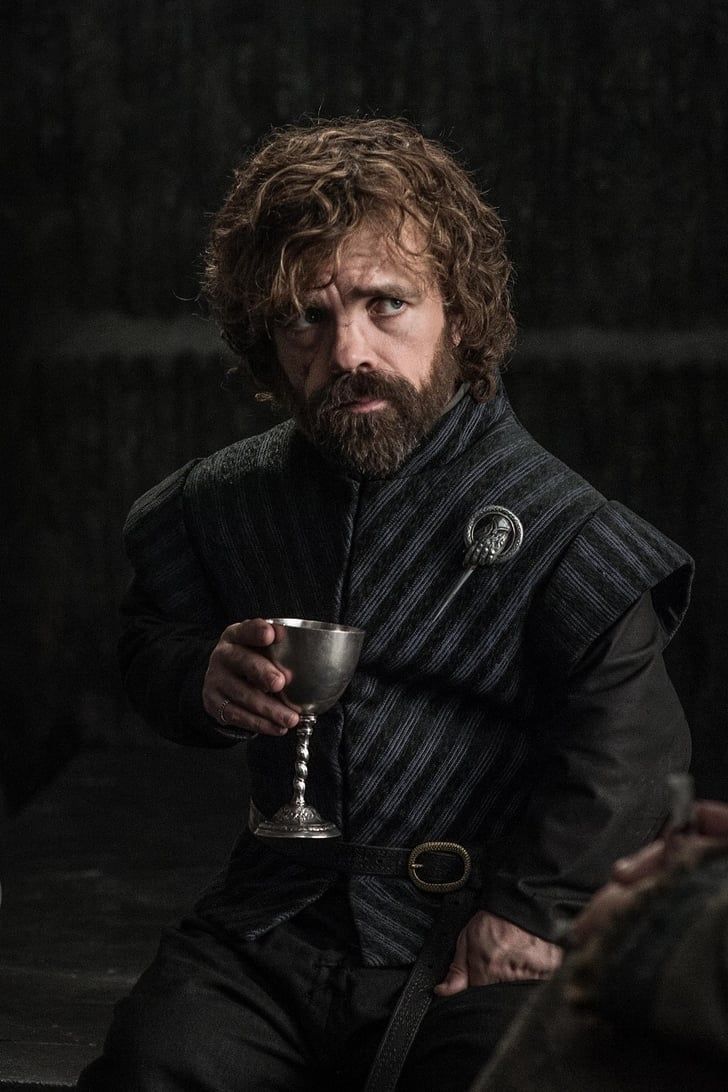
Tyrion Lannister stands out as my favorite. His wit, intelligence, and moral complexity make him endlessly compelling, but it’s his humanity that anchors him. He is flawed, often wrong, and deeply self-aware in ways few other characters are. He survives not because he is the strongest or the most powerful, but because he understands people—and himself.
Jaime Lannister, on the other hand, has what I consider the best redemption arc in the series. Introduced as arrogant, cruel, and morally bankrupt, he evolves through loss, humility, and painful self-realization. His journey challenges the idea that redemption is clean or permanent. Even when he falters, his arc feels honest.
And then there’s Ned Stark.
Ned’s death remains one of the most frustrating—and avoidable—moments in the entire show. On my first watch, I was convinced he was the main character. Surely, I thought, he would return. Surely this wasn’t how his story ended. But that shock is precisely the point. His death establishes the show’s central thesis early on: honor does not guarantee survival, and the world does not bend to narrative comfort.
Rewatching Game of Thrones with distance made me appreciate it more, not less. Its flaws are real, but so is its brilliance. It dared to tell a sprawling, morally complex story without hand-holding its audience, and for many seasons, it succeeded spectacularly.
For all the debate surrounding how it ended, I think its legacy deserves more nuance. This third watch reminded me why the show captivated the world in the first place—and why, despite everything, it still holds up as one of the most ambitious pieces of television ever made.